




 1-800-419-1152
 Contact
 Andy's Parts Smarts
 Cart
Cart
Hello, Sign In!
Home
 Exhaust
Catalytic Converters
Pontiac Catalytic Converters
Phoenix Parts
Phoenix Catalytic Converters
Exhaust
Catalytic Converters
Pontiac Catalytic Converters
Phoenix Parts
Phoenix Catalytic Converters
Exhaust
Catalytic Converters
Pontiac Catalytic Converters
Phoenix Parts
Phoenix Catalytic Converters
Pontiac Phoenix Catalytic Converters
At Andy's Auto Sport, we have a huge variety of Pontiac Phoenix catalytic converters to ensure that you have every catalytic converter option available to you. We go out of our way to carry every major line of Pontiac Phoenix catalytic converters, so that whether you are looking for replacement Pontiac Phoenix catalytic converter or a performance high flow cat or anything in between, we've got it for you. Andy's Auto Sport is the ultimate shopping destination for your Pontiac Phoenix catalytic converter needs!
Select Your Vehicle
Shop Pontiac Phoenix Catalytic Converters by Brand



1 - 12 of 186
Sort by:


Retail: $51.52
$48.94




Fits: Universal
PART# 51039

Retail: $264.58
$254.00

Retail: $270.83
$260.00
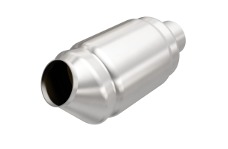
Fits: Universal
PART# 54973
Retail: $140.63
$135.00

Retail: $423.96
$407.00

Fits: Universal
PART# 94113
Retail: $134.38
$129.00

Fits: Universal
PART# 91033
Retail: $111.46
$107.00

Fits: Universal
PART# 53163
Retail: $98.96
$95.00

Fits: Universal
PART# 54053
Retail: $102.08
$98.00

Fits: Universal
PART# 53133
Retail: $112.50
$108.00

Fits: Universal
PART# 53033
Retail: $93.75
$90.00

Fits: Universal
PART# 54953
Retail: $112.50
$108.00
When you click on links to various merchants on this site and make a purchase, this can result in this site earning a commission. Affiliate programs and affiliations include, but are not limited to, the eBay Partner Network.
Not able to find what you are looking for?


Walker Catalytic Converter Air Tube for 1981-1984 Pontiac Phoenix 2.8L V6 lq
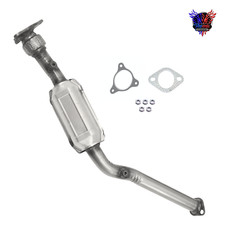
Catalytic Converter for 05-07 Saturn Ion/Chevrolet Cobalt/HHR/Pontiac G5 2.2L
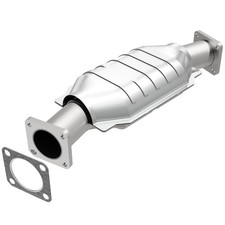
MagnaFlow Catalytic Converter for 1977 Phoenix 5.7L V8 GAS OHV
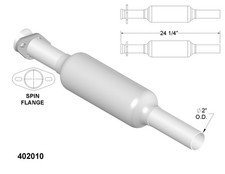
Catalytic Converter for 1982 Pontiac Phoenix 2.8L V6 GAS OHV

MagnaFlow Catalytic Converter for 1981 Phoenix 2.5L L4 GAS OHV
MagnaFlow Catalytic Converter for 1981 Phoenix 2.8L V6 GAS OHV
WHY TO BUY?
The good news is that, although replacement Pontiac Phoenix catalytic converters can be costly from your local dealership, aftermarket units (many times made by the same original equipment manufacturers) are substantially less expensive and can be purchased as direct-fit bolt-on units (assuming that the original converter was also bolted on) or weld-on units. Replacing your Pontiac Phoenix catalytic converter can restore power that has been lost due to a faulty original converter and will make your vehicle run better overall. In addition, a bad Pontiac Phoenix catalytic converter means that your exhaust is releasing harmful toxins into the atmosphere and environment, so getting a new one means you’re doing your part to keep the earth and its atmosphere clean.
DID YOU KNOW?
Modern catalytic converters are much less restrictive than in days past, so much so that the antiquated (and illegal) method of "gutting" the converters of their internal structures has been deemed almost pointless on newer cars, as the performance gains are minimal, if any. Aftermarket high-flow Pontiac Phoenix catalytic converters are therefore a much better (and more responsible) choice for those seeking to upgrade their exhaust systems or replace a faulty converter.
So how do you know if your Pontiac Phoenix catalytic converter is on its way out? If your Pontiac Phoenix engine seems to be losing power or your temperature gauge reads a little high, one possible culprit could be that a rich condition is feeding excessive unburned fuel into the catalytic converter, which can overheat it as well as damage it. It is common to see your Pontiac Phoenix catalytic converter glowing orange/red when this condition is present. Another common sign of catalytic converter failure is the infamous "rotten egg" smell. Other common symptoms include: a lack of power, rough engine idle, or stalling. If you are replacing your Pontiac Phoenix catalytic converter due to any of the above circumstances, it is a good idea to also replace your oxygen sensor, since it plays a vital role in the air/fuel mixture ratio and may have also been damaged due to the same adverse conditions. Finally, physical damage can sometimes occur if a large rock or other object hits Pontiac Phoenix catalytic converter, resulting in a damaged ceramic core. This can often be heard, as smaller ceramic pieces will bounce around inside the converter housing. As you can imagine, this is often accompanied by a loss of power due to exhaust blockage.
So how do you know if your Pontiac Phoenix catalytic converter is on its way out? If your Pontiac Phoenix engine seems to be losing power or your temperature gauge reads a little high, one possible culprit could be that a rich condition is feeding excessive unburned fuel into the catalytic converter, which can overheat it as well as damage it. It is common to see your Pontiac Phoenix catalytic converter glowing orange/red when this condition is present. Another common sign of catalytic converter failure is the infamous "rotten egg" smell. Other common symptoms include: a lack of power, rough engine idle, or stalling. If you are replacing your Pontiac Phoenix catalytic converter due to any of the above circumstances, it is a good idea to also replace your oxygen sensor, since it plays a vital role in the air/fuel mixture ratio and may have also been damaged due to the same adverse conditions. Finally, physical damage can sometimes occur if a large rock or other object hits Pontiac Phoenix catalytic converter, resulting in a damaged ceramic core. This can often be heard, as smaller ceramic pieces will bounce around inside the converter housing. As you can imagine, this is often accompanied by a loss of power due to exhaust blockage.
FAQs
Q: What is a hi-flow catalytic converter? Why buy one?
A: All stock catalytic converters are restrictive when it comes to exhaust flow, and they essentially place a choke hold on performance. The hi-flow catalytic converters on the market today have a higher flow capacity than factory units. Still able to pass emissions and gain horsepower, how can you go wrong with a hi-flow catalytic converter?
Q: How do you install a hi-flow catalytic converter?
A: There are two kinds of catalytic converters. The first are direct fit converters (no welding required) which have all necessary flanges and oxygen sensors just like the original equipment catalytic converters. There are also universal fit catalytic converters that are designed to be welded or clamped in place. Universal fit converters have the same flow characteristics as direct fit models with the same inlet and outlet diameter.
A: All stock catalytic converters are restrictive when it comes to exhaust flow, and they essentially place a choke hold on performance. The hi-flow catalytic converters on the market today have a higher flow capacity than factory units. Still able to pass emissions and gain horsepower, how can you go wrong with a hi-flow catalytic converter?
Q: How do you install a hi-flow catalytic converter?
A: There are two kinds of catalytic converters. The first are direct fit converters (no welding required) which have all necessary flanges and oxygen sensors just like the original equipment catalytic converters. There are also universal fit catalytic converters that are designed to be welded or clamped in place. Universal fit converters have the same flow characteristics as direct fit models with the same inlet and outlet diameter.
Filter Your Results
Category 
-
Catalytic Converters(186)
Popular Categories
Phoenix Parts
Phoenix Catalytic Converters
Phoenix Mufflers
Phoenix Muffler Tips
Phoenix Crossover Pipes
Phoenix Resonators
Phoenix Exhaust Flanges
Phoenix Exhaust Hangers
Phoenix O2 Bungs And Bosses
Phoenix Exhaust Systems
Phoenix Cold Air Intakes
Phoenix Headlights
Phoenix Tail Lights
Phoenix Body Kits
Phoenix Headers
Phoenix Hoods
Phoenix Struts and Shocks
Phoenix Racing Seats
Phoenix Carbon Fiber Hoods
Performance Sitemap
Phoenix Catalytic Converters
Phoenix Mufflers
Phoenix Muffler Tips
Phoenix Crossover Pipes
Phoenix Resonators
Phoenix Exhaust Flanges
Phoenix Exhaust Hangers
Phoenix O2 Bungs And Bosses
Phoenix Exhaust Systems
Phoenix Cold Air Intakes
Phoenix Headlights
Phoenix Tail Lights
Phoenix Body Kits
Phoenix Headers
Phoenix Hoods
Phoenix Struts and Shocks
Phoenix Racing Seats
Phoenix Carbon Fiber Hoods
Performance Sitemap
Home
Exhaust
Catalytic Converters
Pontiac Catalytic Converters
Phoenix Parts
Phoenix Catalytic Converters
Exhaust
Catalytic Converters
Pontiac Catalytic Converters
Phoenix Parts
Phoenix Catalytic Converters
Pontiac Phoenix Catalytic Converters
At Andy's Auto Sport, we have a huge variety of Pontiac Phoenix catalytic converters to ensure that you have every catalytic converter option available to you. We go out of our way to carry every major line of Pontiac Phoenix catalytic converters, so that whether you are looking for replacement Pontiac Phoenix catalytic converter or a performance high flow cat or anything in between, we've got it for you. Andy's Auto Sport is the ultimate shopping destination for your Pontiac Phoenix catalytic converter needs!
Choose Your Vehicle:
Shop Pontiac Phoenix Catalytic Converters by Brand
1 - 12 of 186
Sort by:
Retail: $51.52
$48.94
Fits: Universal
PART# 51039
Retail: $264.58
$254.00
Retail: $270.83
$260.00
Fits: Universal
PART# 54973
Retail: $140.63
$135.00
Retail: $423.96
$407.00
Fits: Universal
PART# 94113
Retail: $134.38
$129.00
Fits: Universal
PART# 91033
Retail: $111.46
$107.00
Fits: Universal
PART# 53163
Retail: $98.96
$95.00
Fits: Universal
PART# 54053
Retail: $102.08
$98.00
Fits: Universal
PART# 53133
Retail: $112.50
$108.00
Fits: Universal
PART# 53033
Retail: $93.75
$90.00
Fits: Universal
PART# 54953
Retail: $112.50
$108.00
When you click on links to various merchants on this site and make a purchase, this can result in this site earning a commission. Affiliate programs and affiliations include, but are not limited to, the eBay Partner Network.
Not able to find what you are looking for?
Walker Catalytic Converter Air Tube for 1981-1984 Pontiac Phoenix 2.8L V6 lq
Catalytic Converter for 05-07 Saturn Ion/Chevrolet Cobalt/HHR/Pontiac G5 2.2L
MagnaFlow Catalytic Converter for 1977 Phoenix 5.7L V8 GAS OHV
Catalytic Converter for 1982 Pontiac Phoenix 2.8L V6 GAS OHV
MagnaFlow Catalytic Converter for 1981 Phoenix 2.5L L4 GAS OHV
MagnaFlow Catalytic Converter for 1981 Phoenix 2.8L V6 GAS OHV
WHY TO BUY?
The good news is that, although replacement Pontiac Phoenix catalytic converters can be costly from your local dealership, aftermarket units (many times made by the same original equipment manufacturers) are substantially less expensive and can be purchased as direct-fit bolt-on units (assuming that the original converter was also bolted on) or weld-on units. Replacing your Pontiac Phoenix catalytic converter can restore power that has been lost due to a faulty original converter and will make your vehicle run better overall. In addition, a bad Pontiac Phoenix catalytic converter means that your exhaust is releasing harmful toxins into the atmosphere and environment, so getting a new one means you’re doing your part to keep the earth and its atmosphere clean.
DID YOU KNOW?
Modern catalytic converters are much less restrictive than in days past, so much so that the antiquated (and illegal) method of "gutting" the converters of their internal structures has been deemed almost pointless on newer cars, as the performance gains are minimal, if any. Aftermarket high-flow Pontiac Phoenix catalytic converters are therefore a much better (and more responsible) choice for those seeking to upgrade their exhaust systems or replace a faulty converter.
So how do you know if your Pontiac Phoenix catalytic converter is on its way out? If your Pontiac Phoenix engine seems to be losing power or your temperature gauge reads a little high, one possible culprit could be that a rich condition is feeding excessive unburned fuel into the catalytic converter, which can overheat it as well as damage it. It is common to see your Pontiac Phoenix catalytic converter glowing orange/red when this condition is present. Another common sign of catalytic converter failure is the infamous "rotten egg" smell. Other common symptoms include: a lack of power, rough engine idle, or stalling. If you are replacing your Pontiac Phoenix catalytic converter due to any of the above circumstances, it is a good idea to also replace your oxygen sensor, since it plays a vital role in the air/fuel mixture ratio and may have also been damaged due to the same adverse conditions. Finally, physical damage can sometimes occur if a large rock or other object hits Pontiac Phoenix catalytic converter, resulting in a damaged ceramic core. This can often be heard, as smaller ceramic pieces will bounce around inside the converter housing. As you can imagine, this is often accompanied by a loss of power due to exhaust blockage.
So how do you know if your Pontiac Phoenix catalytic converter is on its way out? If your Pontiac Phoenix engine seems to be losing power or your temperature gauge reads a little high, one possible culprit could be that a rich condition is feeding excessive unburned fuel into the catalytic converter, which can overheat it as well as damage it. It is common to see your Pontiac Phoenix catalytic converter glowing orange/red when this condition is present. Another common sign of catalytic converter failure is the infamous "rotten egg" smell. Other common symptoms include: a lack of power, rough engine idle, or stalling. If you are replacing your Pontiac Phoenix catalytic converter due to any of the above circumstances, it is a good idea to also replace your oxygen sensor, since it plays a vital role in the air/fuel mixture ratio and may have also been damaged due to the same adverse conditions. Finally, physical damage can sometimes occur if a large rock or other object hits Pontiac Phoenix catalytic converter, resulting in a damaged ceramic core. This can often be heard, as smaller ceramic pieces will bounce around inside the converter housing. As you can imagine, this is often accompanied by a loss of power due to exhaust blockage.
FAQs
Q: What is a hi-flow catalytic converter? Why buy one?
A: All stock catalytic converters are restrictive when it comes to exhaust flow, and they essentially place a choke hold on performance. The hi-flow catalytic converters on the market today have a higher flow capacity than factory units. Still able to pass emissions and gain horsepower, how can you go wrong with a hi-flow catalytic converter?
Q: How do you install a hi-flow catalytic converter?
A: There are two kinds of catalytic converters. The first are direct fit converters (no welding required) which have all necessary flanges and oxygen sensors just like the original equipment catalytic converters. There are also universal fit catalytic converters that are designed to be welded or clamped in place. Universal fit converters have the same flow characteristics as direct fit models with the same inlet and outlet diameter.
A: All stock catalytic converters are restrictive when it comes to exhaust flow, and they essentially place a choke hold on performance. The hi-flow catalytic converters on the market today have a higher flow capacity than factory units. Still able to pass emissions and gain horsepower, how can you go wrong with a hi-flow catalytic converter?
Q: How do you install a hi-flow catalytic converter?
A: There are two kinds of catalytic converters. The first are direct fit converters (no welding required) which have all necessary flanges and oxygen sensors just like the original equipment catalytic converters. There are also universal fit catalytic converters that are designed to be welded or clamped in place. Universal fit converters have the same flow characteristics as direct fit models with the same inlet and outlet diameter.
VIDEOS RELATED TO PONTIAC PHOENIX CATALYTIC CONVERTERS
VIDEOS RELATED TO PONTIAC PHOENIX CATALYTIC CONVERTERS
-
Video Description:Catalytic Converters on Andy's Auto Sport TV!
This is an Andy's Auto Sport TV episode where we break down the basics of catalytic converters. We explain the difference between a direct-fit bolt-on catalytic converter and a universal weld-on catalytic converter. We also go over the benefits of getting a new cat, and we even do an installation to show what's involved.
Popular Categories
Phoenix Parts
Phoenix Catalytic Converters
Phoenix Mufflers
Phoenix Muffler Tips
Phoenix Crossover Pipes
Phoenix Resonators
Phoenix Exhaust Flanges
Phoenix Exhaust Hangers
Phoenix O2 Bungs And Bosses
Phoenix Exhaust Systems
Phoenix Cold Air Intakes
Phoenix Headlights
Phoenix Tail Lights
Phoenix Body Kits
Phoenix Headers
Phoenix Hoods
Phoenix Struts and Shocks
Phoenix Racing Seats
Phoenix Carbon Fiber Hoods
Performance Sitemap
Phoenix Catalytic Converters
Phoenix Mufflers
Phoenix Muffler Tips
Phoenix Crossover Pipes
Phoenix Resonators
Phoenix Exhaust Flanges
Phoenix Exhaust Hangers
Phoenix O2 Bungs And Bosses
Phoenix Exhaust Systems
Phoenix Cold Air Intakes
Phoenix Headlights
Phoenix Tail Lights
Phoenix Body Kits
Phoenix Headers
Phoenix Hoods
Phoenix Struts and Shocks
Phoenix Racing Seats
Phoenix Carbon Fiber Hoods
Performance Sitemap



© 1997- Andy's Auto Sport | All Rights Reserved.