




 1-800-419-1152
 Contact
 Andy's Parts Smarts
 Cart
Cart
Hello, Sign In!

Select Your Vehicle
Select Your Vehicle
AEM Gauge Components - Universal 1/8in NPT Air Intake Temp Sensor Kit W/ Deutsch Style Connector


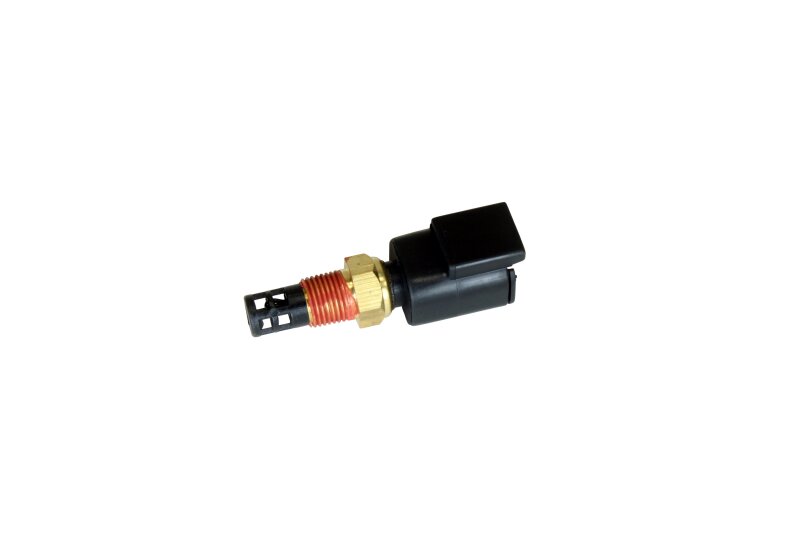


Part #: 30-2014

$110.85
$72.05 For each
For each

Fits On:
Universal
Description:
AEM's 1/8in NPT air intake temp sensor kit includes a DTM-style connector, aluminum bung, connector, and pins for a complete installation package.
AEM's 1/8in NPT air intake temp sensor kit includes a DTM-style connector, aluminum bung, connector, and pins for a complete installation package.
AEM's UEGO Display Gauge includes a 0-5 Volt analog output that can be used with data-loggers or most aftermarket engine management systems, and includes an RS 232 serial data output port for data logging without an engine management system. AEM's UEGO Display Gauge is calibrated to work with AEM UEGO sensor controllers ONLY.
Q: What are the different types of gauges available?
A: There are dozens of gauges available which monitor all types of engine performance. Some common ones are air/fuel ratio, oil pressure, oil temperature, coolant temperature, exhaust temperature, fuel pressure and nitrous pressure gauges. Several more are available, so check our product pages to get more details.
Q: How do I install a tach in a car that did not come with one? How difficult is it?
A: A tachometer is a great instrument to have in your car. Monitoring your engines RPM will help you shift at the appropriate time to gain the best performance or even better gas mileage. Most aftermarket tachometers only have 3 or 4 wires that need to be connected for operation. A main power wire that gets connected to a 12 volt ignition source, a ground wire, a tach signal wire that connects to the coil or the designated signal wire in your cars wiring diagram, and sometimes a wire to run the light inside the tach for night time use, which can be connected to the same power source as your other dash lights. If your car did not come with a tach, but it was an option for your specific model then there is a good chance the wiring is already in place to run the tachometer. It is best to purchase a factory service manual and carefully study the wiring schematics to determine if the wiring is there or not. The only tools you will need for this wiring job are a pair of wire cutters, a pair of wire strippers, a good pair of wire crimpers, some crimp-on style electrical connectors and a little electrical tape. While this is a pretty simple job, if you are not comfortable using these tools it is best to seek professional help.
If you are trying to install a late model gauge cluster, including a tach, into an older model car that did not have one the process is a little more complicated. You will need the wiring diagrams for both the donor vehicle and the car you are installing the gauge cluster in. You will then have to carefully trace and mark each wire to determine what it is for. Finally you connect the appropriate wires together (temp gauge to temp sender wire etc.) and carefully tape off any wires that are unused. Because modern cars use have varied computer controlled components it is not always possible or compatible to swap gauge clusters so it is important to research the subject for your specific model before taking the plunge.
Q: How do you install gauges?
A: Some gauges are electrical while some are mechanical. Electrical gauges use sensors that have to be installed, while mechanical gauges rely on hoses for feedback. All gauges must be wired up for lighting within your vehicle.
Q: Do gauges work on any vehicle?
A: Gauges are universal and can be mounted virtually anywhere in any vehicle. Gauge pods are usually used to house these aftermarket gauges within your vehicle.
Q: Why buy gauges?
A: Gauges can give you the warm feeling of knowing that your engine is healthy and warn you when it isn't. The main gauges that help you monitor the health of any high-performance engine would be the basic gauges, such oil pressure, oil temperature and coolant temperature. Aside from that, they give your car that custom race look.
A: There are dozens of gauges available which monitor all types of engine performance. Some common ones are air/fuel ratio, oil pressure, oil temperature, coolant temperature, exhaust temperature, fuel pressure and nitrous pressure gauges. Several more are available, so check our product pages to get more details.
Q: How do I install a tach in a car that did not come with one? How difficult is it?
A: A tachometer is a great instrument to have in your car. Monitoring your engines RPM will help you shift at the appropriate time to gain the best performance or even better gas mileage. Most aftermarket tachometers only have 3 or 4 wires that need to be connected for operation. A main power wire that gets connected to a 12 volt ignition source, a ground wire, a tach signal wire that connects to the coil or the designated signal wire in your cars wiring diagram, and sometimes a wire to run the light inside the tach for night time use, which can be connected to the same power source as your other dash lights. If your car did not come with a tach, but it was an option for your specific model then there is a good chance the wiring is already in place to run the tachometer. It is best to purchase a factory service manual and carefully study the wiring schematics to determine if the wiring is there or not. The only tools you will need for this wiring job are a pair of wire cutters, a pair of wire strippers, a good pair of wire crimpers, some crimp-on style electrical connectors and a little electrical tape. While this is a pretty simple job, if you are not comfortable using these tools it is best to seek professional help.
If you are trying to install a late model gauge cluster, including a tach, into an older model car that did not have one the process is a little more complicated. You will need the wiring diagrams for both the donor vehicle and the car you are installing the gauge cluster in. You will then have to carefully trace and mark each wire to determine what it is for. Finally you connect the appropriate wires together (temp gauge to temp sender wire etc.) and carefully tape off any wires that are unused. Because modern cars use have varied computer controlled components it is not always possible or compatible to swap gauge clusters so it is important to research the subject for your specific model before taking the plunge.
Q: How do you install gauges?
A: Some gauges are electrical while some are mechanical. Electrical gauges use sensors that have to be installed, while mechanical gauges rely on hoses for feedback. All gauges must be wired up for lighting within your vehicle.
Q: Do gauges work on any vehicle?
A: Gauges are universal and can be mounted virtually anywhere in any vehicle. Gauge pods are usually used to house these aftermarket gauges within your vehicle.
Q: Why buy gauges?
A: Gauges can give you the warm feeling of knowing that your engine is healthy and warn you when it isn't. The main gauges that help you monitor the health of any high-performance engine would be the basic gauges, such oil pressure, oil temperature and coolant temperature. Aside from that, they give your car that custom race look.
If you live in California, please note this item may be subject to a Proposition 65 warning. Click here to learn more.


When you click on links to various merchants on this site and make a purchase, this can result in this site earning a commission. Affiliate programs and affiliations include, but are not limited to, the eBay Partner Network.
Not able to find what you are looking for?


Chrome Triple Gauge 2" 52mm 3 Gauge Set Kit Water Temp Oil Pressure Volt Meter

2003-2005 Silverado Sierra Tahoe Suburban Yukon Avalanche Gauge Cluster

Intellitronix DP10001G Universal 5 Gauge Digital Dash Panel GREEN LEDs USA Made
White Face Gauges for 1999-2004 Ford Mustang

Intellitronix DP10001W Universal 5 Gauge Digital Gauge Cluster WHITE LEDs



© 1997- Andy's Auto Sport | All Rights Reserved.